

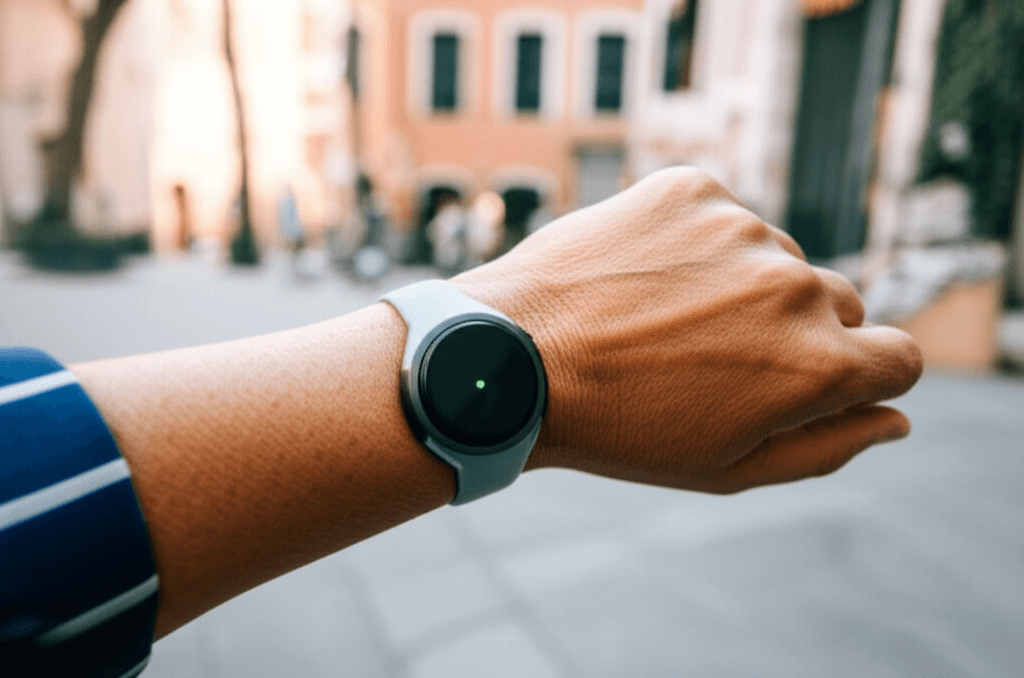
Travel opens doors to discover new places and try different routines. Older adults who love to travel get chances to reunite with family, follow hobbies, or check off spots on their bucket list. Traveling with this kind of freedom means planning health and safety smartly, as needs aren’t the same as younger travelers. A tiny gadget can flip a tricky moment into something easy to handle. Personal alert devices play a big role here. Readers interested in safe, enjoyable travel will find this insight worth their time.
Many people do not realize how practical a wearable alert or mobile help button can be when miles from home. This tool is not only for in-home use. It can link a person with responders, family, or a monitoring service within seconds. For an in depth look at device features and real user accounts see a resource geared to senior travelers who choose safer trips.
Why carrying an alert device matters for health and safety on the road
An alert device reduces the time it takes to get help when an unexpected event happens. For older adults the stakes are higher during travel. A slip on unfamiliar pavement or a sudden medical symptom can quickly become serious if a person is alone and out of range of nearby help. A wearable or portable device provides a direct line for assistance.
Emergency response time is a critical factor in outcomes for falls and cardiac events. When a traveler can push a button or when a device detects a fall and sends a signal the window for effective help widens. That simple action often prevents small incidents from turning into long hospital stays or trips that end prematurely.
Common risks older adults face while traveling and how devices address them
Trips create change. New hotel layouts, different sidewalks, longer days on the feet and altered medication schedules are all common triggers for incidents. Here are typical risks and the ways a device can reduce consequences.
- Falls A monitored fall alarm can detect sudden motion and either prompt the user to confirm they are OK or send an alert automatically.
- Cardiac or respiratory episodes Quick contact with emergency services is essential. A one button call often adds minutes and reassurance.
- Confusion or memory lapses For travelers with mild memory loss having a device that alerts a trusted contact can help reunite a person with their group fast.
- Transportation problems Getting lost or stranded after a late arrival can be solved by summoning help or guidance through a monitoring center.
Types of alert devices and practical considerations
Not all devices work the same. Choosing a model depends on travel plans, health needs and comfort with technology. Below are the main categories and what to think about for each.
- Wearable buttons These are simple and often waterproof. They attach as pendants or wristbands. They are ideal for short trips where cellular coverage is good.
- Cellular pendants These combine a wearable button with built in phone capability. They can place a call directly or use a monitoring service.
- GPS enabled devices These help locate the wearer in open areas and are useful for long stays or excursions into busy urban centers.
- Smartphone apps For tech friendly travelers an app can serve as an alert tool. Apps require charging and a data plan but add convenience.
- Standalone fall detectors Some devices automatically send alerts when a fall is detected. These are helpful for travelers with balance concerns.
Connectivity and coverage needs for travel
Choosing a device that matches the trip is a top priority. A device that works well at home may fail in a remote area or abroad. Here are factors to compare before a purchase or rental.
- Cellular bands and roaming Check that the device supports the networks in the destination country and that the provider offers international roaming.
- Battery life Longer battery life reduces the need to find charging points mid trip. Carry a compact power bank when possible.
- GPS accuracy Urban canyons and indoor settings affect location tracking. Look for devices that combine GPS with Wi Fi or cell triangulation.
- Monitoring service hours If a device is linked to a live monitoring center confirm their coverage hours and language options if traveling abroad.
How to integrate an alert device into daily travel routines
Adopting a device is more than buying it. Practice and planning are vital to get full benefit. Below are practical tips for packing and use.
- Test before leaving Activate and test the device with the monitoring service at home. Confirm contacts and response procedures.
- Wear it consistently Keep the device on at all times when out of the room. A pendant under a shirt can be both comfortable and accessible.
- Set trusted contacts Program family members or travel companions into the device or app. Share a backup plan if primary contacts are unavailable.
- Carry spare power Pack a small power bank and charging cable. A dead battery removes protection.
- Inform hotel staff Let a front desk manager know an alert device may be used. They can respond quickly and help first responders find a room.
Tips for choosing a device based on trip type
Different trips create different needs. Here are device selection tips tied to common travel styles so a person can match capability to conditions.
- City sightseeing A compact GPS enabled pendant works well. Coverage is usually good and quick location helps.
- River cruise or guided tours Use a wearable emergency button that connects to crew or shore side monitoring. Water resistance is useful.
- Road trips A device with long battery life and cellular service across regions is key. Consider a device with roadside assistance options.
- International travel Confirm roaming or choose a device with local SIM support. Multilingual monitoring is an advantage.
Real world examples and user strategies
Stories help picture how a device performs in context. Here are three brief examples drawn from common travel incidents and the measures that worked.
- Hotel fall A traveler tripped on uneven carpeting and could not reach a phone. A wearable button connected to a monitoring center and staff arrived in minutes. Early treatment avoided a longer hospital stay.
- Late night confusion After a long day a person left a gathering and could not recall the hotel name. Their device sent a location to a family member who met them at the entrance within 20 minutes.
- Remote trail dizziness During a gentle day hike someone felt dizzy and activated their device. The GPS allowed a local rescue team to reach them and transport to medical evaluation.
These examples show how a device reduces uncertainty and speeds up help. Users report that having a single item in a pocket or on a wrist made them more confident to try new places and stay out longer.
Cost, insurance and legal considerations when buying a device
Price ranges vary from low cost pendants with monthly fees to devices included with subscription services. When evaluating options factor in the following.
- Monthly or annual fees Monitoring services add recurring costs. Balance that against the likelihood of use and the peace a person gains from coverage.
- Insurance coverage Some health plans or travel insurance policies reduce costs for safety gear. Ask a plan representative about reimbursements.
- Data privacy Check how location and health information are stored and who can access it. Favor clear policies and the option to control sharing.
- Contract terms Review cancellation rules if a device is bundled to a term. Short trial periods can be useful before committing to a long plan.
Questions to ask a vendor
Before buying ask about response protocols, language capabilities for international trips and what happens when a device loses connection. Ask who receives alerts and how often false positives occur.
Packing checklist for the safety conscious traveler
- Device with fresh battery
- Charging cable and compact power bank
- Printed list of emergency contacts and medical conditions
- Copy of device manual or quick start guide
- Extra wearable strap or protective case
Choosing the right device is a balance of features and lifestyle. One traveler may need GPS and global service while another just wants a simple waterproof button. Test a device in familiar settings first so it becomes a natural part of a trip.
Planning a trip should include safety gear the same way packing does. An alert device acts as a compact lifeline when distance from home raises risk. Use the checklist, compare features and make a playbook with family before departure.
Conclusion
Travel brings rich rewards and real risks for older adults. A personal alert device reduces the time to contact help and gives family and travel companions a way to respond fast. Throughout a trip these devices support quicker medical attention, faster reunification after confusion and more confidence for the person who wants to remain active. Practical steps include testing the device at home, packing spare power, confirming international coverage when needed and sharing details with trusted contacts.
If you are planning a trip take a moment to evaluate how a small device could change outcomes during an incident. Talk with your doctor about medical needs and compare models based on range, battery life and monitoring features. Try a device for a short local outing before a longer holiday and write down response preferences in case family must act on your behalf. Taking these steps gives a traveler added protection and lets a person focus on what matters most at a destination. Act now by listing top priorities, checking device compatibility with your trip and making a purchase or rental decision that matches those needs. Doing so keeps travel safer and more enjoyable for older adults and their companions.